 Pando
Pando
Pando is a Notion-native system for customer data and product development management: one shared core (projects, role slots, launch cadence, contacts) that any team clones into its own operating system. Like the aspen it's named for, every org-OS grown from it is its own tree on one root. An optional Bridge layer connects it to WhatsApp, Slack, Discord, or Telegram.
The vision
Pando is a Notion-native root system. One shared core of projects, role-by-role workstreams, launch cadence, and a contacts rolodex that any team clones into its own operating system. The name comes from the aspen: a single organism in Utah whose ~47,000 trunks share one root system, often called the largest living organism on Earth. Pando works the same way, every org-OS grown from it looks like its own tree above ground, but underneath they share one root. Underneath, it manages the two things every small org juggles, customer data and product development, against one structured database as the system of record. A Bridge layer reads and updates both from wherever the team already talks.
The core insight: the ops manager of a 5–20 person org doesn't need yet another dashboard to check, they need one place that already holds the week. Pando is that place, and because the structure is shared, the same root supports many branches of an organization (or many organizations) at once, each coordinating its own engineers, designers, and stakeholders against a weekly delivery cadence.
How it works
- Notion as the source of truth, projects, people, tasks, and assignments live in a structured database any team member can read directly.
- Role pages as modular slots, every role page is the same skeleton (a workstream board plus a per-release checklist), and every dashboard is just a view of the same underlying task DB.
- Launch cadence, a launch checklist and shared calendar drive the weekly delivery rhythm.
- Optional Bridge layer, Notion ↔ messaging, so you can run your week from WhatsApp, Slack, Discord, or Telegram instead of opening the workspace.
Clones and branches
Pando is built to be cloned. The root stays the same; each clone renames the slots to fit its branch. Backend / Frontend / AI is the default split, but the same shape holds for Producers / Designers / Engineers, or Sales / Ops / Customer Success.
The first tree is already running in production; Healthcare-CRO and clinical-trial coordination clones are next on the roadmap.


A partnered implementation: SpoonOS
SpoonOS was the first tree to grow from Pando: the same root, cloned for Spoonerism, an independent music label and radio station. Its team runs the whole release pipeline on it, projects, a launch board, and an asset library, as three Notion databases that share one structure.
What makes it a real deployment and not a demo is the Bridge. The team never opens Notion to run the week. A WhatsApp bot lives in their group chat as a linked device: ask it where a release stands and it answers in a line with a link; tell it to add, assign, mark, or push a task and it writes straight to the launch board. Every write leaves an audit trail and stays reversible for five minutes. It's narrowed to WhatsApp on purpose, because that's where the label already coordinates.
Pando gave SpoonOS its shape. SpoonOS proved the shape holds for a team that isn't me.
A personal implementation: Watch Log
Pando doesn't only run orgs, it runs my own life the same way. My film-watching lives in a Watch Log Notion database that behaves exactly like a Pando branch: one structured DB as the system of record, with the pando Bridge layered on top. I read and update it straight from WhatsApp, ask what I watched last week, or log a film in a sentence, without ever opening Notion.
Keeping that database current is its own feed-less integration. My Letterboxd diary mirrors itself into the Watch Log every 6 hours, using RSS as the bridge and GitHub Actions as the engine, for $0. The rest of this section is how that ingestion layer works.
TL;DR, My Letterboxd film diary mirrors itself into the Watch Log automatically, every 6 hours, for $0. The point isn't the films, it's the pattern: any app with no "export to my tools" API can still become a live feed for your own personal database, using RSS as the bridge and GitHub Actions as the engine.
Tools used
- Letterboxd, the source app, where I log every film I watch. Like most consumer apps, it offers no official API for reading your own data back out.
- RSS, the bridge. A simple, decades-old XML feed format that Letterboxd quietly publishes for every user. This is the thing that makes the whole project possible without an official API.
- Python, the glue. A small script parses the feed (
feedparserlibrary) and talks to Notion (requestslibrary). A separate scraping library (letterboxdpy) handled the one-time history backfill. - Notion API, the destination. A REST API that lets the script create and update rows in my Watch Log database.
- GitHub + GitHub Actions, the host and the engine. The code lives in a GitHub repository; GitHub Actions runs it on a cron schedule (every 6 hours) on free infrastructure, no server to maintain.
What this kind of integration makes possible
- Own your data, activity from a closed app becomes rows in a database you control: queryable, exportable, durable.
- One home for everything, films, books, articles, workouts can all flow into the same Notion workspace instead of living in ten separate apps.
- Zero ongoing effort, once set up, new activity appears on its own. No manual export, no copy-paste.
- Free and serverless, no hosting bill and no server to patch; the GitHub Actions free tier is enough.
- Composable, because everything lands in Notion, you can build dashboards, link records across databases, and run your own analytics on your own life.
How to replicate it beyond a movie database
The exact same shape works for almost any app that publishes a feed, only the field mapping changes:
- Goodreads / StoryGraph → a Reading Log database (feeds of books finished + ratings)
- Last.fm / Spotify → a Listening database (Last.fm publishes RSS of recent tracks)
- Strava / fitness apps → a Training Log (many expose
.icsor RSS of activities) - YouTube → a Watched database (YouTube publishes RSS per channel and per playlist)
- Podcast apps → an Episodes Heard log
- Any blog or newsletter → a personal reading inbox
The recipe is identical every time: find the feed → parse it → upsert into Notion → schedule it on GitHub Actions.
What is RSS?
RSS is a plain XML document that an app publishes at a fixed URL, listing recent items in a structured way, for a blog, recent posts; for Letterboxd, recently watched films. It was built in the early 2000s for feed readers, but functionally it's a free, public, read-only API. Many apps still expose one almost by accident, even when they offer no "real" API, which makes it the single most useful thing to look for when you want to bridge an app into your own tools.
How it works
1. Pulling from Letterboxd. Letterboxd publishes my activity at letterboxd.com/<username>/rss/. The script fetches that URL and parses the XML with feedparser. Each feed item already contains the film title, year, my rating, the date watched, a rewatch flag, and my written review, no scraping or login required.
2. Bridging into Notion. For each film, the script calls the Notion API to add or update a row in my Watch Log database. It's an upsert: it first looks for an existing row with the same Letterboxd URL, if found, it updates that row; if not, it creates one. That dedup key is what keeps re-runs safe and prevents duplicates.
3. GitHub Actions houses the process. The script lives in a GitHub repo. A small workflow file tells GitHub Actions to run it every 6 hours on a cron schedule, spin up a machine, install dependencies, run the sync, shut down. The Notion token and other secrets live in the repo's encrypted secrets store. There's no server; the entire "deployment" is one 30-line YAML file.
One-time setup also ran two heavier backfills, full diary history, and every film ever marked watched, because the RSS feed only carries the most recent ~50 entries. After that, the 6-hour sync keeps everything current.
Architecture
Letterboxd  (no official personal-data API)
     │
     ├─  RSS feed  ───────────►  sync.py            ──┐
     │   last ~50 entries,       runs every 6h via    │
     │   includes review text    GitHub Actions       │
     │                                                ├──►  Notion
     ├─  diary history  ──────►  backfill.py        ──┤     "Watch Log" DB
     │   full history,           one-time             │      244 rows,
     │   scraped library         catch-up             │      deduplicated
     │                                                │
     └─  watched-films  ──────►  backfill_watched.py ──┘
         every film ever         one-time
         marked seen             (superset of diary)
Engineering decisions that made it durable
- Idempotent upserts, every sync is safe to run twice. Each record is keyed by a canonical Letterboxd URL; the writer does find → update, or create if absent. This is what lets a dumb 6-hour cron job be the entire infrastructure.
- One canonical key, enforced everywhere, an early bug had the RSS path producing a different key than the backfill path, silently creating 49 duplicate rows on the first scheduled run. The fix: pick one canonical URL shape and make every reader reconstruct it. When multiple writers share a database, the dedup key is a contract.
- Append-only, never destructive, the sync only adds or updates rows it owns. Manually-created entries (TV shows, films logged directly in Notion) are never touched. Both systems coexist in one database.
- Tolerant of upstream drift, the scraping library renamed its fields between versions, quietly breaking the backfill. The reader now checks both new and legacy field names. Anything depending on a scraped source should expect its shape to move.
Results
- 244 rows in the Notion Watch Log, fully populated: title, year, rating, liked status, watched date, review text, poster.
- 52 dated diary entries + 155 watched-only films + 37 manual entries, coexisting cleanly.
- Zero-touch, new films logged on Letterboxd appear in Notion within 6 hours, with no action from me.
- $0/month, no maintenance.
Code & full technical docs: https://github.com/prahlaadr/letterboxd-notion-sync
Live from Letterboxd
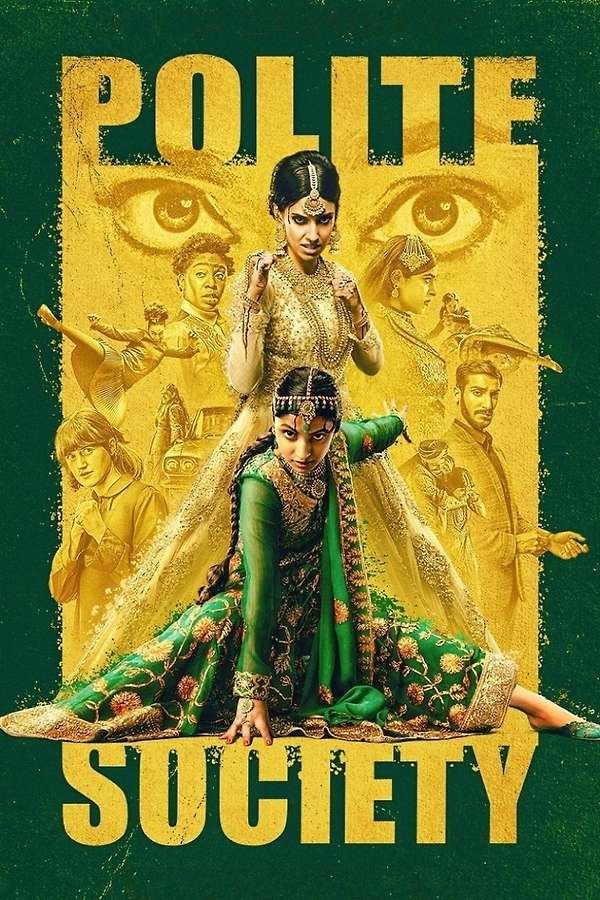
The Watch Log the Bridge reads and the RSS sync keeps current, pulled live from the public Letterboxd profile.
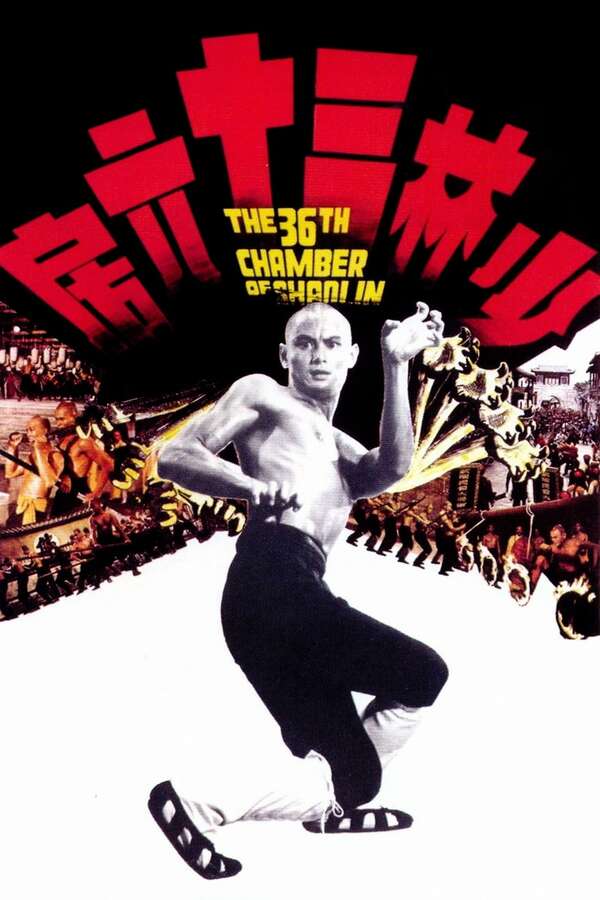
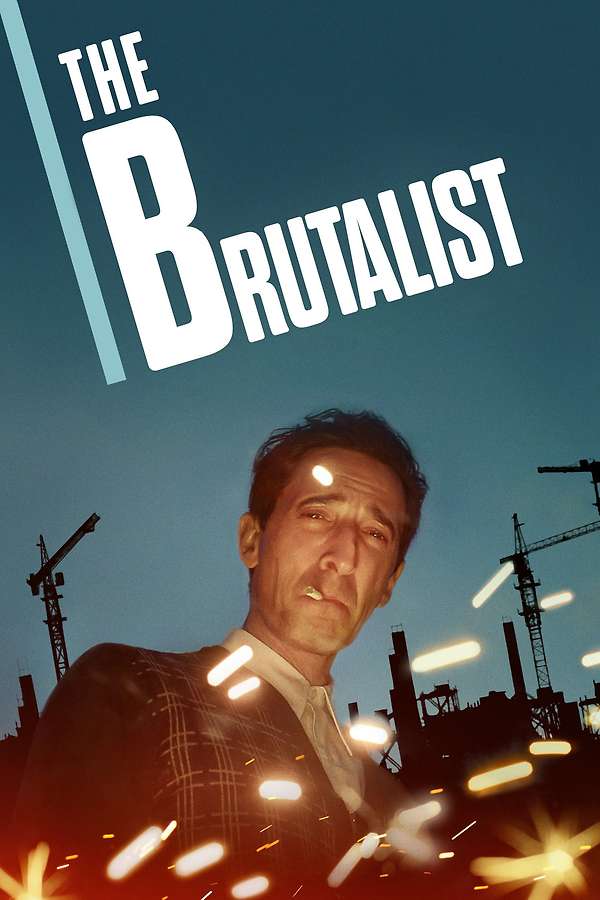
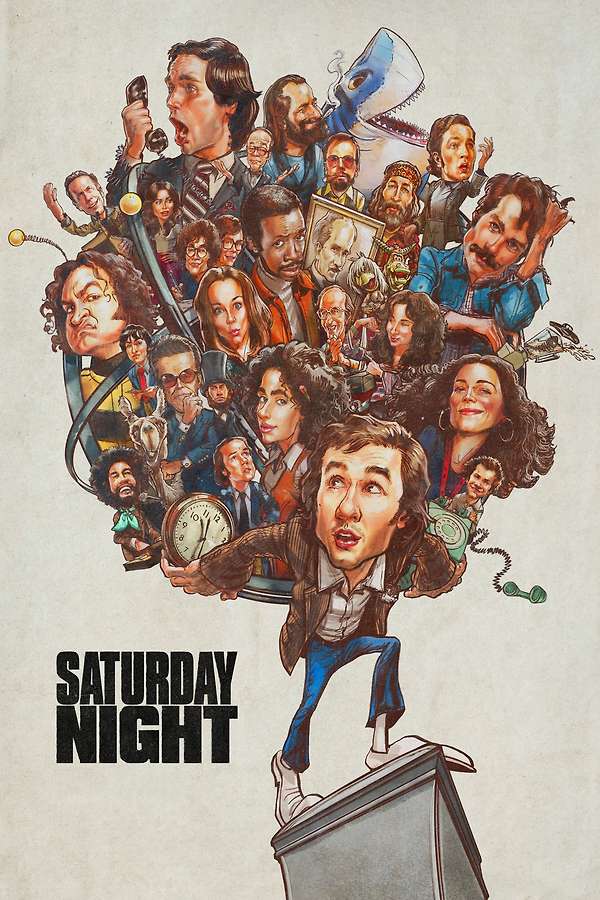
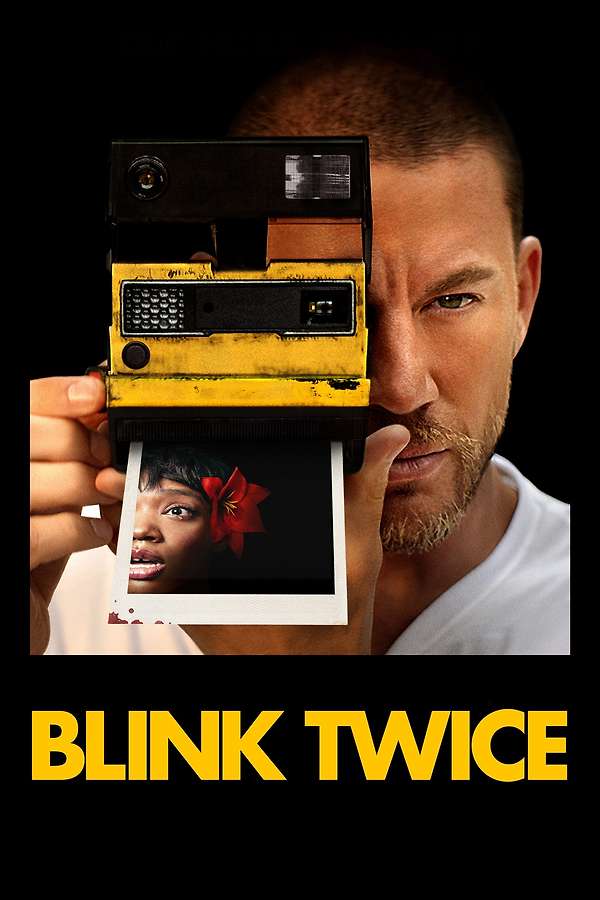

Recent reviews
 The Sheep Detectives (2026)★★★★♥
one of the most wholesome watches I’ve had in a while, wish there was more iron man in this, but I enjoyed Nick Braun’s performance because this is a fully a man from Long Island NY masquerading as a small town Brit cop. Reminds of the 00’s animal movies. Classic whodunnit. Molly Gordon fantastic performance, wow they really didn’t let you shine enough in The Bear.
 Sinners (2025)★★★½
The musical anachronism scene was one of the neatest vision and executions I’ve seen